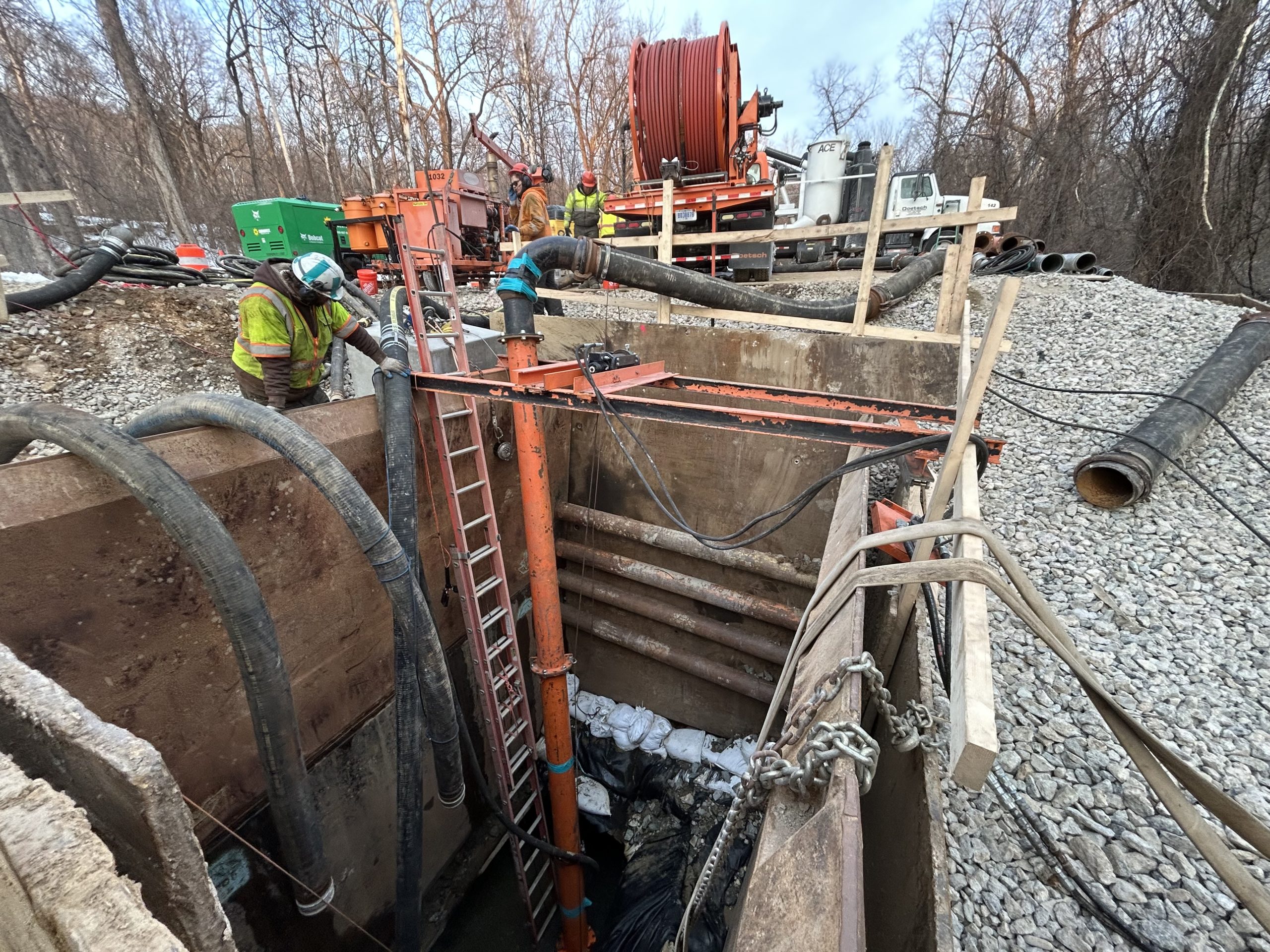
WASHINGTON — The head of DC Water said this week that the utility is continuing efforts to contain and repair a major sewer line collapse that sent hundreds of millions of gallons of untreated wastewater into the Potomac River, acknowledging public concern while pledging ongoing monitoring and transparency.
In an open letter released Wednesday, DC Water Chief Executive and General Manager David L. Gadis addressed the Jan. 19 failure of the Potomac Interceptor, a 54-mile sewer line built in the early 1960s that carries wastewater from parts of Maryland and Northern Virginia to the Blue Plains Advanced Wastewater Treatment Plant in Southwest Washington.
“The Potomac River is a shared natural treasure, and any event that threatens its health understandably causes concern, frustration, and a sense of loss,” Gadis wrote. “Those feelings are not only valid — but they are also shared by all of us at DC Water.”
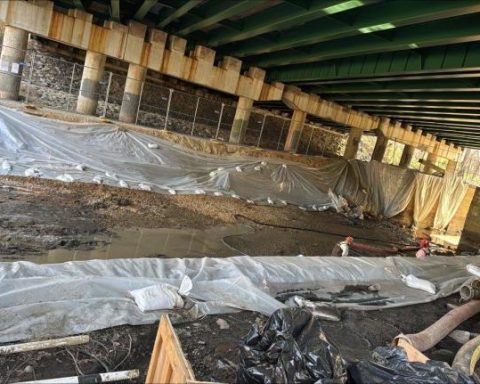
The collapse occurred along Clara Barton Parkway in Montgomery County, Md., near an odor control facility where monitoring systems detected unusual activity. The break led to a sustained discharge of untreated wastewater into the Potomac River and adjacent areas of the C&O Canal National Historical Park. DC Water has estimated the volume of the spill in the hundreds of millions of gallons.
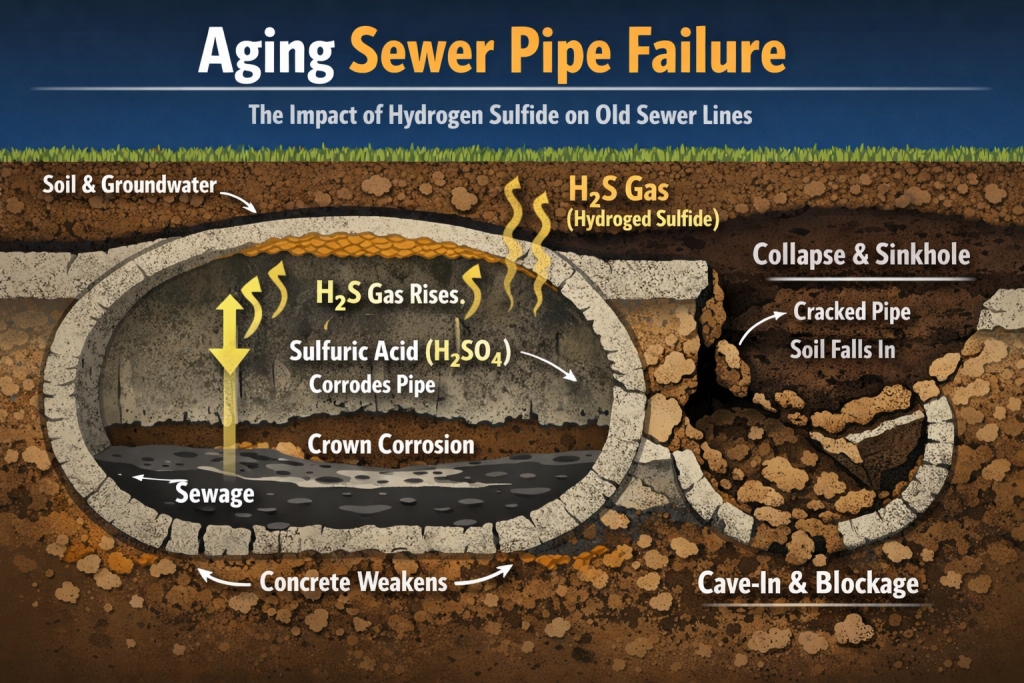
What generally causes a massive sewer line to collapse?
Decades of hydrogen sulfide gas rise inside the pipe, convert to sulfuric acid, and slowly corrode the concrete at the crown. Over time, the pipe wall thins, soil pressure increases, cracks form — and eventually the structure gives way.
The utility said emergency bypass pumps were activated Jan. 24 to redirect wastewater around the damaged section, significantly reducing additional overflow. DC Water has said drinking water supplies are not affected as the intake for water is upstream from the collapse.
Gadis said the agency’s immediate priorities include containing the discharge and protecting public health. “We understand that transparency is essential to public trust, and we remain committed to communicating openly — both about what we know and what we are continuing to assess,” he wrote.
The Potomac Interceptor is part of DC Water’s broader capital improvement program, which includes long-term rehabilitation of aging sewer infrastructure. The utility has committed hundreds of millions of dollars toward interceptor upgrades.
Environmental organizations responded to the spill by calling for continued monitoring and clear public communication. In a Feb. 5 press release, Potomac Riverkeeper Network said independent water testing conducted with University of Maryland researchers found elevated levels of E. coli near the spill site and downstream.
“People want to know if the river is safe,” said Betsy Nicholas, president of Potomac Riverkeeper Network. “Right now, the Potomac River is not safe.”
Dean Naujoks, the organization’s Potomac Riverkeeper, said some sampling locations showed E. coli readings “above the recreational safety limit nearly 10 miles downstream.”
In a separate public letter coordinated by Potomac Conservancy and signed by more than 2,000 residents and 20 environmental groups and businesses, advocates described the spill as “a serious threat to public health, aquatic life, and the restoration of our region’s most important waterway.” The letter acknowledged DC Water’s emergency diversion measures but called for frequent public updates on monitoring results and clear advisories for river users.
DC Water officials have said they will continue to provide daily updates as repairs progress and additional testing results become available.