Maryland Attorney General Anthony G. Brown on Wednesday issued a sweeping memorandum directing state and local law enforcement agencies to follow Maryland law—not federal policy—when participating in joint operations with federal agents.
The 11-page guidance, effective immediately, sets boundaries on what local officers must, may, and must not do when collaborating with federal agencies. It emphasizes that Maryland’s laws on use of force, body cameras, and civil rights apply even during joint operations. The memorandum explicitly prohibits officers from enforcing civil immigration laws, asking about a person’s immigration status, or detaining someone to determine their status.
Maryland law “bars transferring an individual to federal immigration authorities unless required by federal law. This statute makes clear that Maryland officers do not have authority to assist in civil immigration enforcement.
To be clear, the prohibitions on participating in civil immigration enforcement apply even when Maryland officers are operating under an agreement with federal authorities, including an agreement with ICE.
— MD AG Guidelines to Local Police
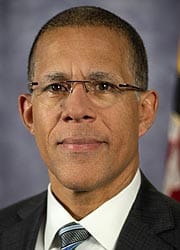
Brown said the move was meant to preserve the state’s authority over policing standards. “Maryland’s law enforcement officers are governed by Maryland law and the communities they serve, regardless of shifting federal priorities,” he said.
The memorandum adds that Maryland officers cannot participate in federal operations that involve searches or arrests inconsistent with state law, nor can they perform warrantless actions that would violate Maryland’s constitutional or statutory protections. Officers must identify themselves by name and badge number and explain the legal basis for any stop or search, along with complying with Maryland body camera law and agency policy.
The guidance also states that Maryland police cannot cooperate with immigration checkpoints conducted by federal agents.
The document also warns that Maryland officers remain subject to state disciplinary procedures and civilian review boards even when assigned to federal task forces. Violations of state law, the memorandum says, could result in state-level sanctions or civil liability.
Brown’s office said the guidance is intended to protect both law enforcement officers and the public by reducing confusion about which laws apply during joint operations. The attorney general’s memo arrives amid heightened federal enforcement activity in Maryland, including immigration and drug-related operations, and follows similar directives in other states clarifying limits on state participation in federal initiatives.
The memorandum took effect upon release, and Brown’s office said further training materials will be distributed to law enforcement agencies in the coming weeks.


