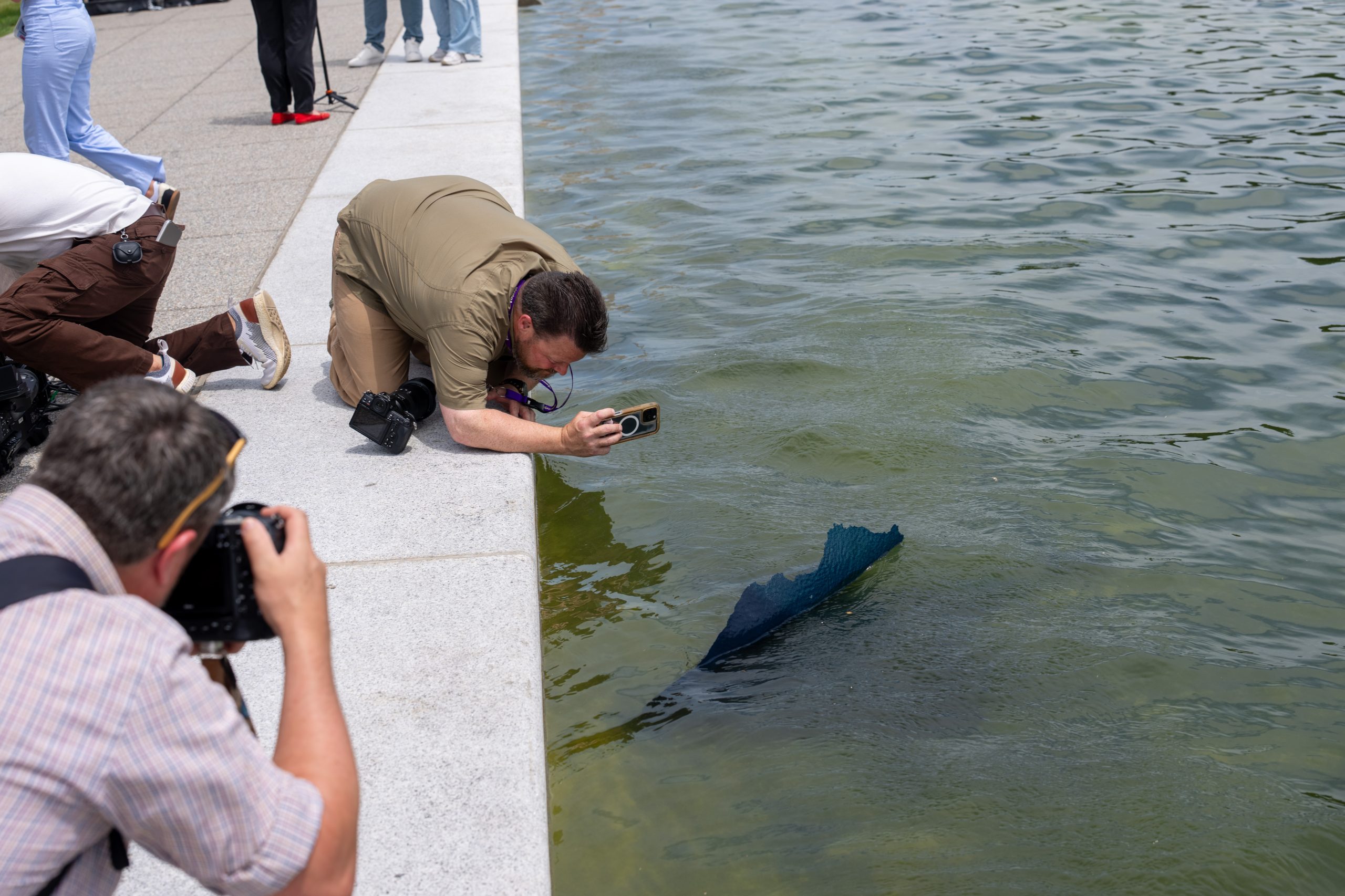
WASHINGTON – Just four weeks after U.S. Attorney Jeanine Pirro stood before reporters and declared that prosecutors had “tremendous evidence” against Olympic canoeist David Hearn, her office asked a Superior Court judge Friday to dismiss the felony indictment.
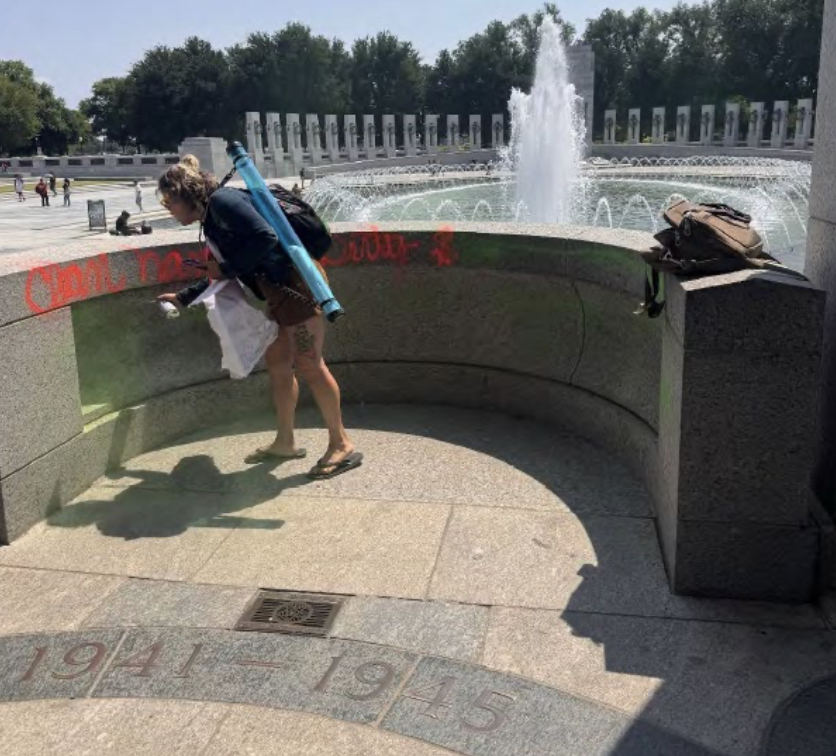
The motion marks a dramatic reversal in one of the most high-profile prosecutions arising from damage to Washington’s national monuments. Rather than standing behind the case announced at a nationally televised press conference, prosecutors now say newly disclosed evidence shows the Lincoln Memorial Reflecting Pool suffered from widespread construction defects that were not known to them when the indictment was obtained.
On July 2, Pirro announced that a grand jury had indicted Hearn on a felony destruction-of-property charge, saying prosecutors could prove “beyond a reasonable doubt” that he intentionally damaged the recently renovated Reflecting Pool.
“The evidence shows [and] will prove beyond a reasonable doubt that Hearn willfully destroyed property at the Lincoln Memorial Reflecting Pool,” Pirro said.
Later in the press conference, when asked about the strength of the government’s case, Pirro added, “This is a case with tremendous evidence.”
When another reporter questioned whether the liner may already have been damaged before Hearn encountered it, Pirro rejected the suggestion.
“He damaged the pool before he touched it,” she said before immediately correcting herself. “He damaged this pool.”
But in a 19-page motion filed Friday, Pirro’s own office told the court that prosecutors learned after the indictment that the Department of the Interior had failed to provide critical information documenting extensive problems with the Reflecting Pool’s newly installed liner.
According to the filing, prosecutors initially relied on information from the Interior Department and the U.S. Park Police indicating that damage to the pool had been caused by vandals, including Hearn. Only after the indictment was returned did prosecutors receive nearly 700 megabytes of additional documents revealing repeated construction failures, peeling throughout the pool and evidence that the liner had been improperly installed.
“USAO-DC first became aware of information showing that the damage was the result of a botched installation and not vandalism as initially represented by DOI,” prosecutors wrote.
The filing says prosecutors repeatedly requested all investigative materials, including evidence favorable to the defense, but were not provided documents describing the construction problems until weeks after the indictment.
Those records paint a far different picture than the one presented during Pirro’s press conference.
Internal National Park Service emails cited in the filing documented peeling of the liner just two days after construction was completed and eight days before Hearn’s arrest. One engineer concluded the peeling resulted from contractor “overspray” and wrote that it “will not impact the strength of the liner.”
The motion also describes weather delays, repeated failures during installation, bonding problems between coatings, and contractor inspections finding damage throughout the Reflecting Pool—including areas where a vandal would not likely have caused it.
As a result of those discoveries, prosecutors concluded they could no longer prove that Hearn caused the widespread damage alleged in the indictment.
“Given all this newly discovered information, it is difficult to attribute the widespread damage to the Reflecting Pool to vandalism, let alone to establish that fact beyond a reasonable doubt,” the motion states.
The filing also contains an unusual criticism of another federal agency.
Prosecutors wrote that the Interior Department “provided less than fulsome information at the outset of this case,” preventing the U.S. Attorney’s Office from receiving evidence documenting the condition of the pool before presenting the case to a grand jury.
The motion further states that the department’s failure to provide complete information undermined prosecutors’ obligations to disclose exculpatory evidence and ultimately required dismissal of the case.
Judge Todd E. Edelman granted the government’s motion Friday, dismissing the indictment without prejudice.